
Transylvania | Culture Cluster
Transylvanian Saxon & Hungarian Table
A three-culture table — Saxon, Hungarian, and Romanian — built on paprika-rich stews, smoked sausages, fir-bark-aged cheese, and the region's iconic chimney cake.
Overview
Transylvania's cooking reflects three overlapping culinary traditions: Romanian, Hungarian, and Transylvanian Saxon. The Hungarian legacy shows up in paprika-seasoned gulaș (goulash) and slow-cooked pork stews, usually served with dumplings or polenta, while Saxon cooking contributed smoked bacon, cured sausages, and a strong dairy tradition, including brânză de burduf, sheep's cheese aged inside fir bark, a signature product of the region's shepherding communities.
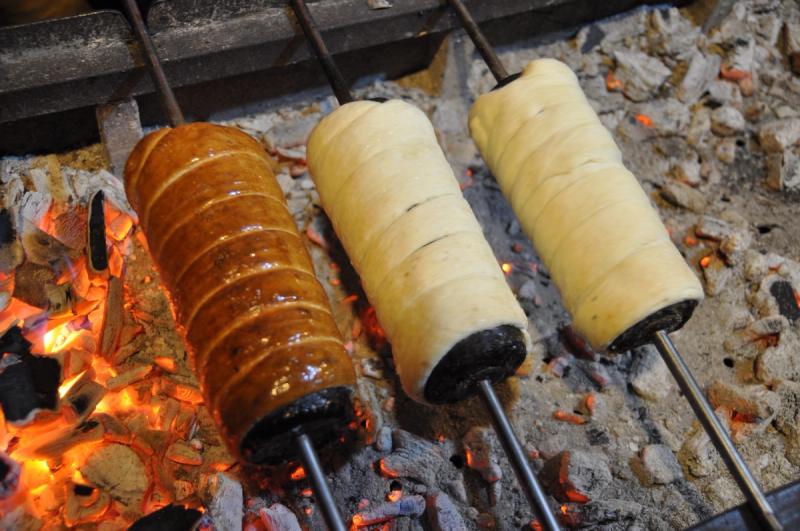
The most visible dish for visitors is kürtőskalács, a cylindrical spit cake rolled in sugar and toppings and baked over open coals, sold hot from stalls in Brașov's and Sighișoara's old towns and dating to 18th-century Transylvania.
Why Visit
A genuinely three-culture table, not a single national cuisine, best sampled in the old-town squares of Sibiu, Brașov, and Sighișoara.
Best for
- food-led travel
- old-town wandering
Gallery
Practical notes
- Best treated as a running theme across the trip rather than a single sit-down meal.
Getting there
Found throughout Transylvania's town centres, especially Brașov and Sighișoara's old towns.
Best time to visit
Year-round; kürtőskalács stalls are especially prominent in the Christmas market season.
Use this with Transylvania and let us shape the final combination of route, stays, and logistics around your dates.