
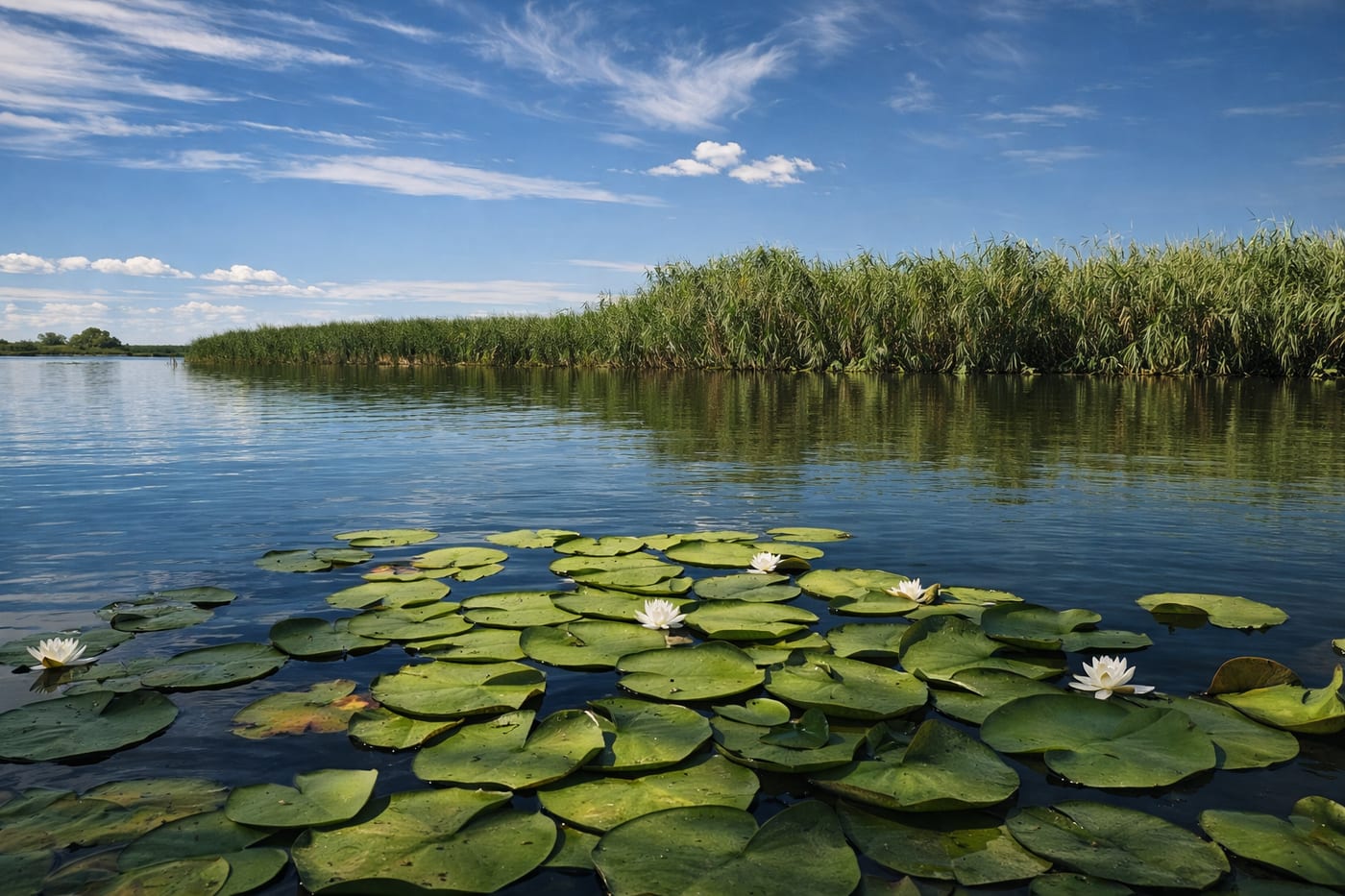
Danube Delta
Waterways, birdlife, and stillness that naturally slows the day. For next steps, review Danube Delta and Black Sea (8 days), or send a trip enquiry with the stays you have in mind.
In a nutshell
A lodge-based water landscape of channels and reeds, where short outings and quiet downtime create the best experience.
Best time to go
May–September for wildlife and warm evenings; late spring is ideal for birdwatching.
Signature experiences
- Sunrise boat trips
- Pelicans & bird colonies
- Local fish cuisine
- Slow life on the waterways
Practicalities
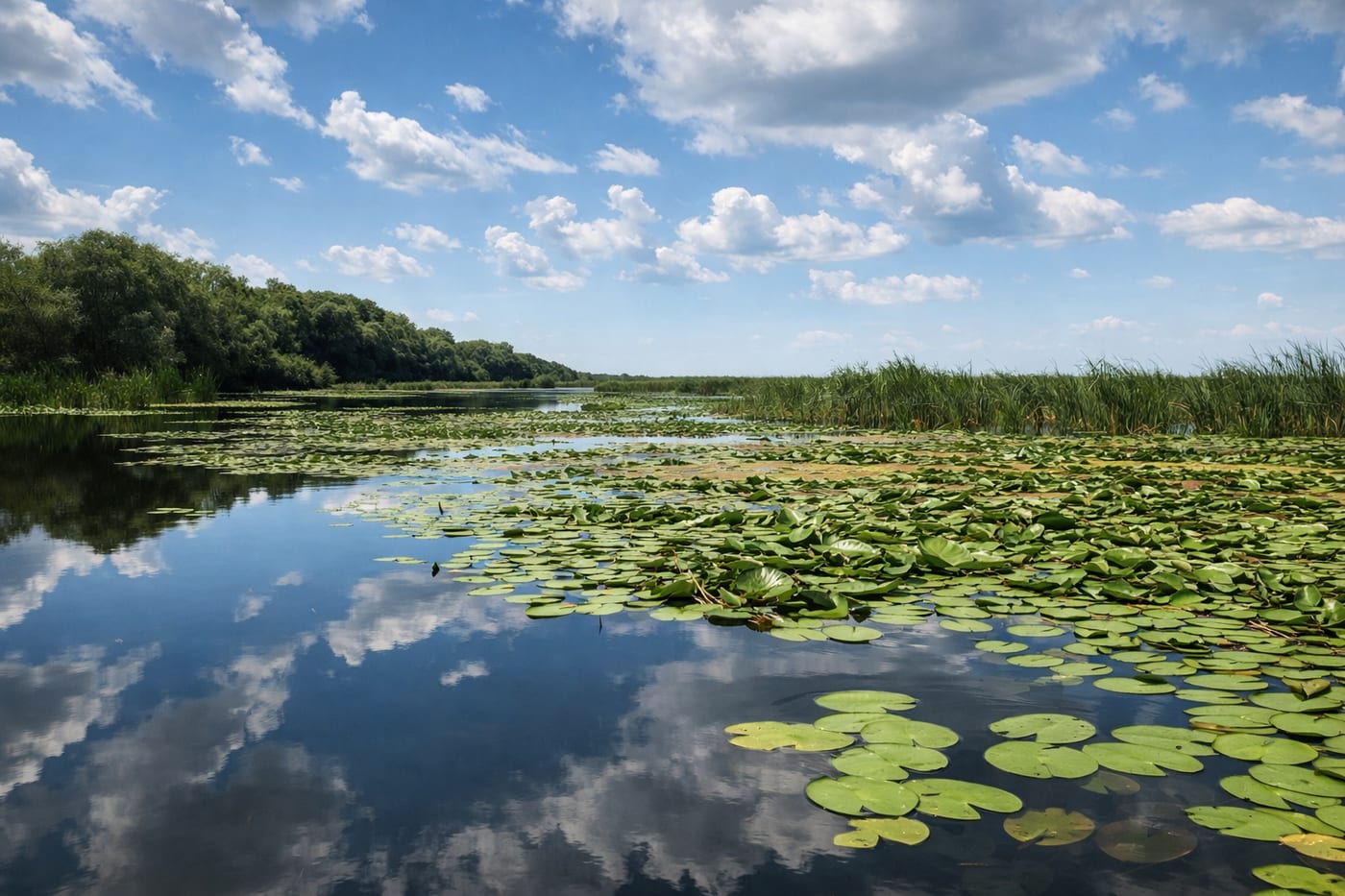
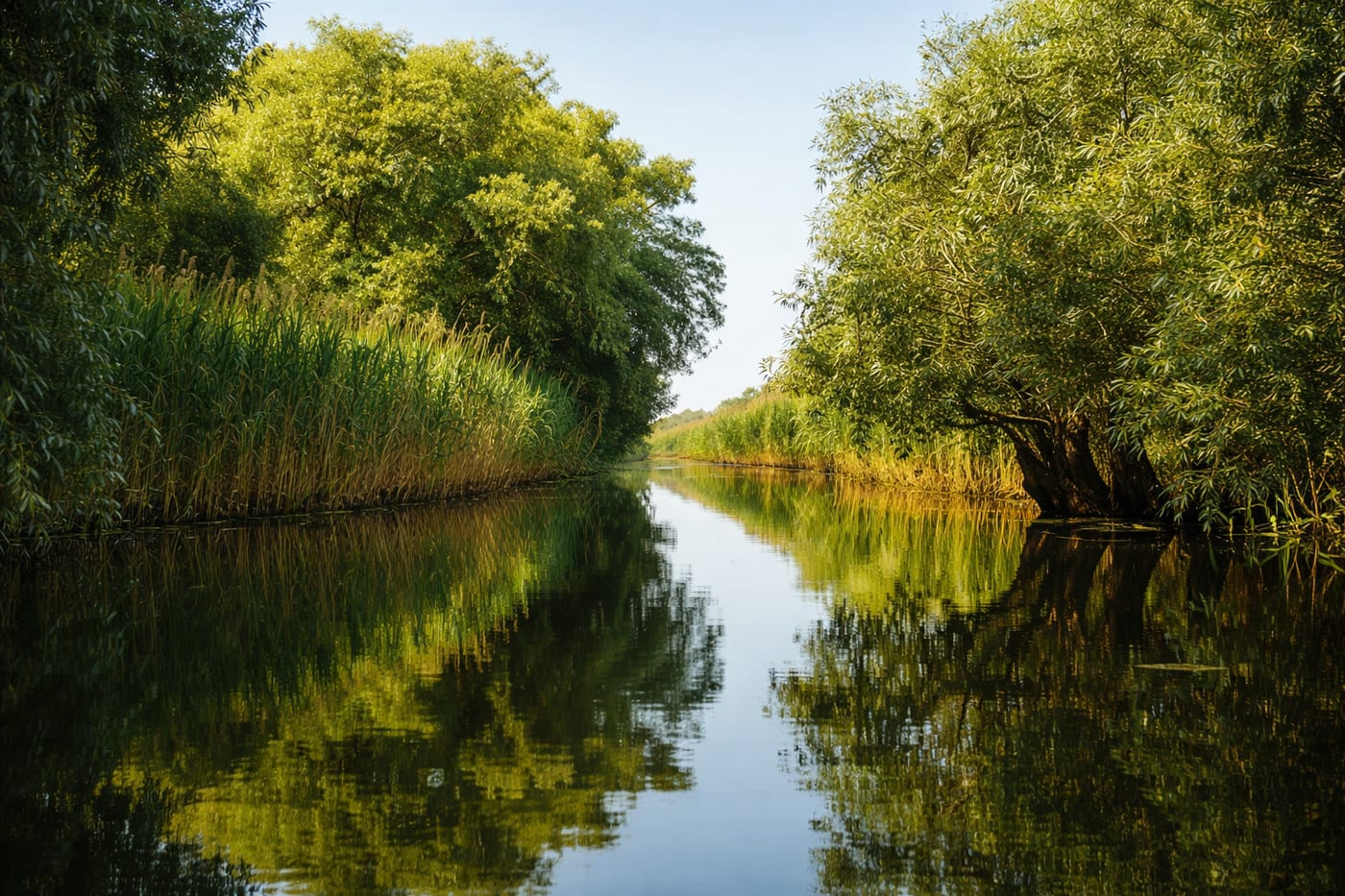
Access is by boat from Tulcea. We time transfers carefully and include guides who know the quiet routes.
Quiet detail, not rush
We build each day around one clear highlight and leave space around it, so the route stays graceful from arrival to departure.
Why go
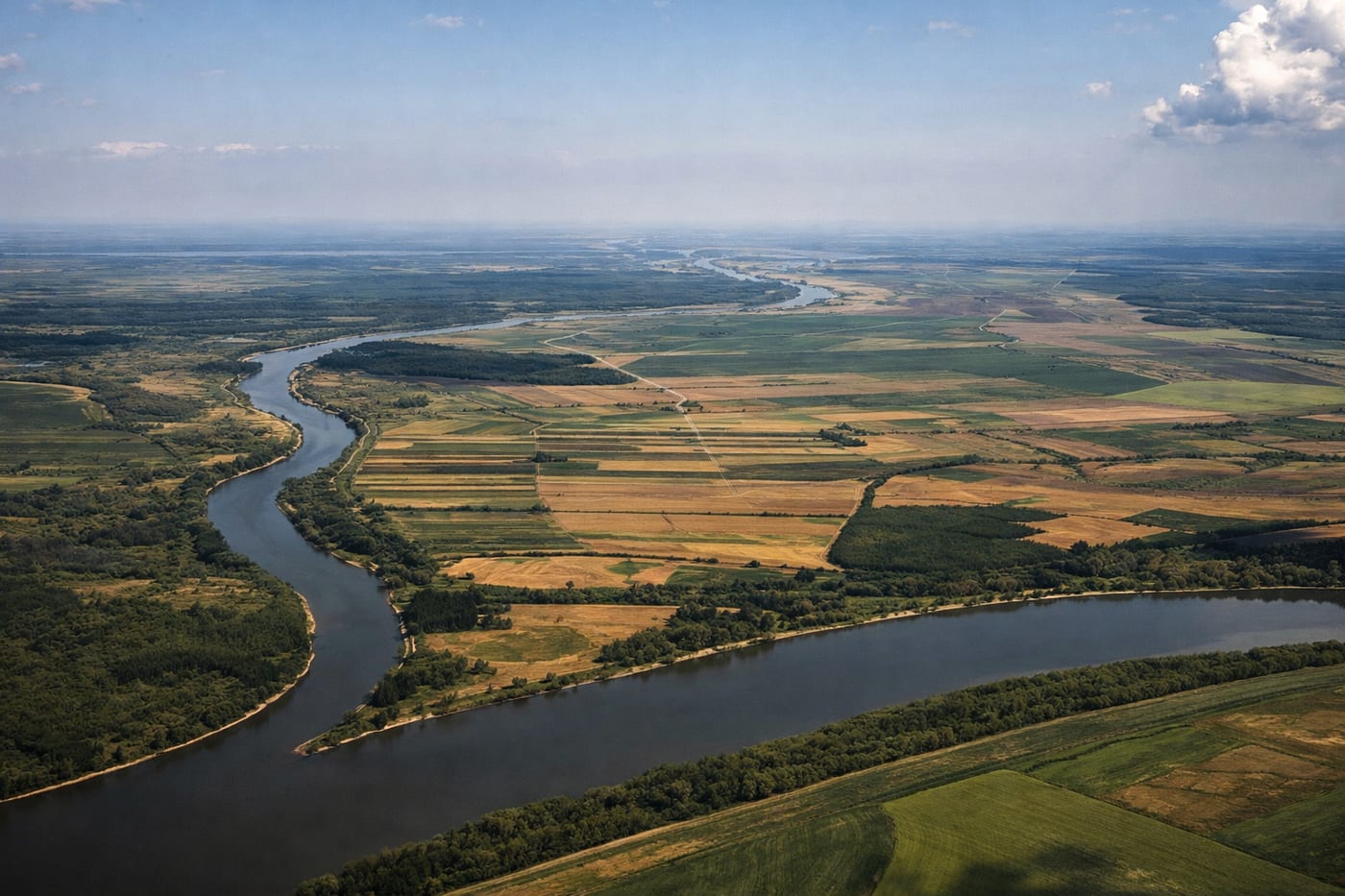
The Danube Delta stands out for atmosphere as much as wildlife. Calm boat routes, open horizons, and gentle pacing turn it into a true reset within a wider Romania journey.
Read our Danube Delta guide for stay types and calm routing.
Signature moments
- Sunrise boat rides (the calmest light)
- Birdlife: pelicans, herons, egrets
- Slow afternoons at a lodge
Best for
Nature lovers, photographers, families who like gentle adventure, and travellers who want quiet horizons.
How we keep it calm
We plan short outings with downtime built in — the Delta is better with space to breathe.
Food & Cuisine in the Danube Delta
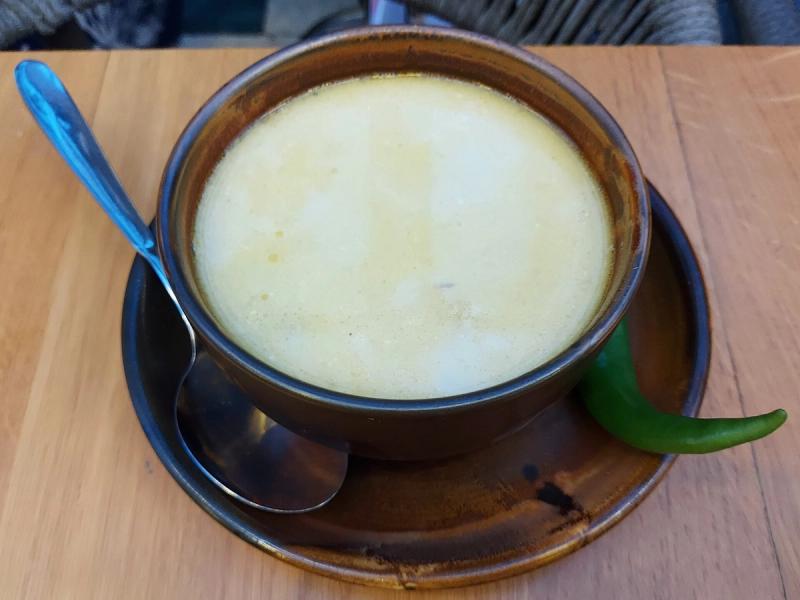
A Lipovean fishing-village food culture built on the Delta's own fish, centred on villages like Mila 23. See the cross-region Food & Markets guide for how this fits a wider culinary route.
A calm 2–4 day plan
Most travellers either “taste” the Delta in two nights or settle in for three or four nights to enjoy it properly.
- Day 1: transfer + a gentle sunset outing.
- Day 2: sunrise boat ride, relaxed lunch, downtime at the lodge.
- Day 3 (optional): a different channel / lake route, or a village cultural visit.
- Day 4 (optional): slow morning + depart.
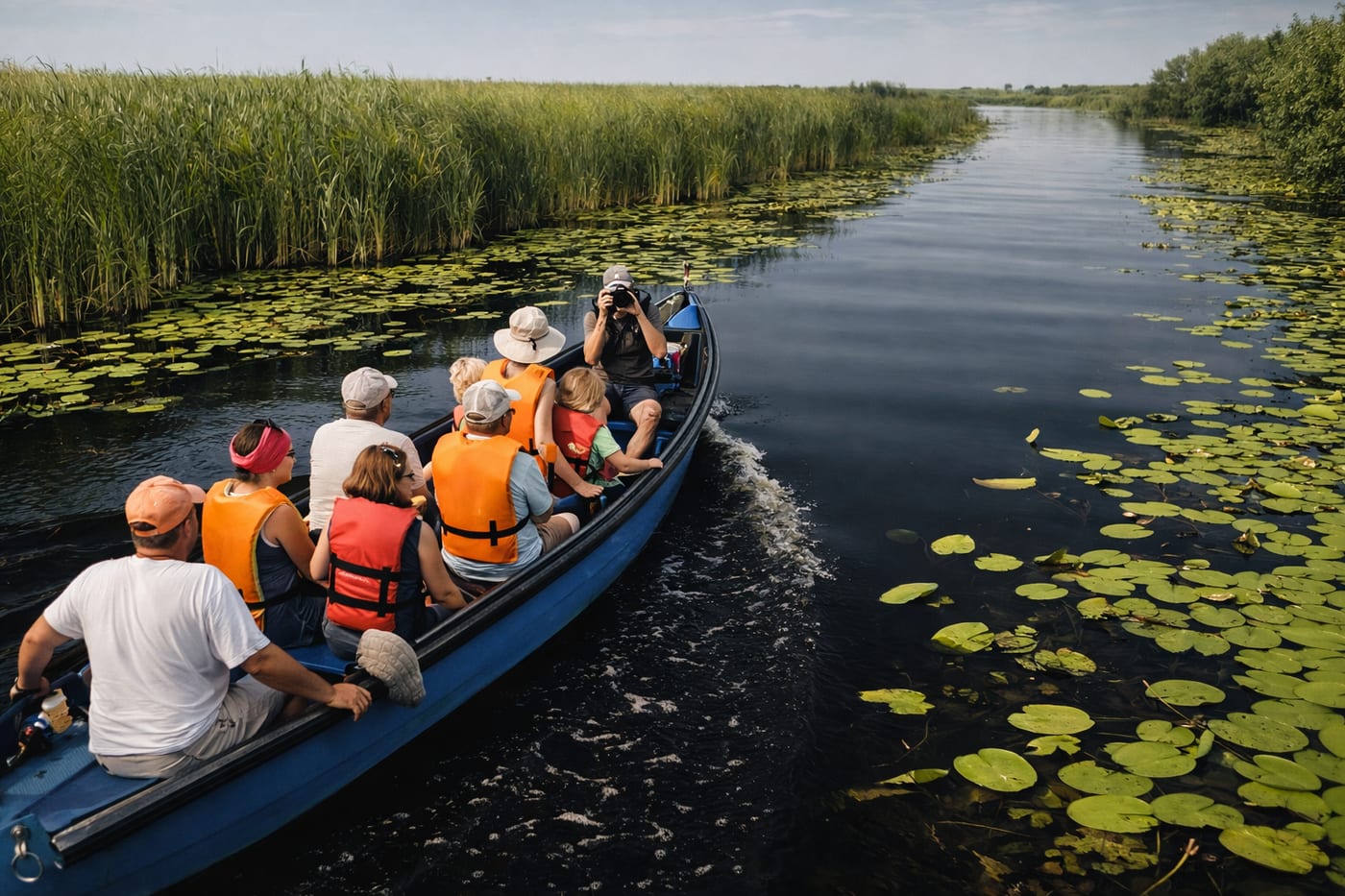
We keep boats small and guides experienced — better for wildlife and better for you.
Planning reassurance
Transfers, timings, and pacing are set around your comfort, with realistic days that still leave time to settle in and enjoy the setting.
Practical notes
- Season: late spring to early autumn. July/August can be hot; May/September are often ideal.
- Mosquitos: bring repellent, especially at dusk.
- Transfers: the Delta is remote — we plan logistics so arrival feels smooth.
Where to stay in the Delta
The Delta has three common styles of stay: a wildlife lodge (easy and comfortable), a village stay (more local texture), or a floating hotel (unique, but not for everyone). We’ll recommend the best fit based on mobility, comfort preferences, and how much “boat time” you want.
What a good day feels like
Early start, gentle boat ride, a long lunch, a rest, then a second short outing or a slow evening by the water. The Delta is better with space — you don’t need to fill every hour to feel like it’s “worth it”.
Photography notes
Sunrise and the last hour before sunset are the sweet spots. If photography matters to you, we’ll time outings for light, not just for convenience.
A sample day-by-day rhythm
For a quieter Delta segment with a private-boat rhythm, we typically plan two to four nights around one strong sunrise outing, one secondary route, and downtime at the lodge between water sessions.
- Day 1: transfer, then a gentle sunset orientation ride.
- Day 2: the prime wildlife window at dawn, with a slower afternoon.
- Day 3: an optional second channel route with a different habitat emphasis.
Treat transfers seriously — better routing gives you better light windows and less fatigue.
Season and comfort
The Delta is most enjoyable when you get the season right. We’ll advise based on your tolerance for heat, your interest in wildlife, and how much time you want on the water.
- May–June: fresh greens, excellent birdlife, comfortable temperatures.
- July–August: hot, lively, and mosquito‑heavier — still good with the right lodge and timing.
- September: warm, calmer, often a sweet spot for travellers who prefer fewer crowds.
- Trip length: 2 nights works; 3–4 nights feels like a true Delta experience.
We can also combine the Delta with a city break or a gentle Transylvania route — the contrast is beautiful.
Who it’s best for
The Delta is ideal if you like nature and quiet, and it’s surprisingly good for families when planned gently: short boat rides, wildlife spotting, and lots of downtime. If someone in your group is sensitive to heat or insects, we’ll guide you towards the right season and lodge style.
The key is to treat it as a place to stay, not a day trip — that’s when it feels special.
Common mistakes to avoid
The Delta is often sold as a day trip — and it almost always disappoints that way. The magic is in the early mornings and slow evenings, which you only get by staying.
We also avoid large, noisy boats. Smaller outings feel calmer, are better for wildlife, and make the experience feel far more personal.
A small but important tip
Pack light layers and water shoes. It’s the simplest way to stay comfortable on boats and jetties without thinking about gear.
Plan with confidence
After your enquiry, we prepare a bespoke draft itinerary with the right pace, stays, and logistics for this region. You review every detail with Clara’s team before anything is confirmed.
No rushed decisions, no template plans - just calm, specialist guidance from a UK-based Romania team.
Related reading
Read Danube Delta, see Romania: Carpathian Garden, or Danube Delta and Black Sea Coast (8 days) for route inspiration.