
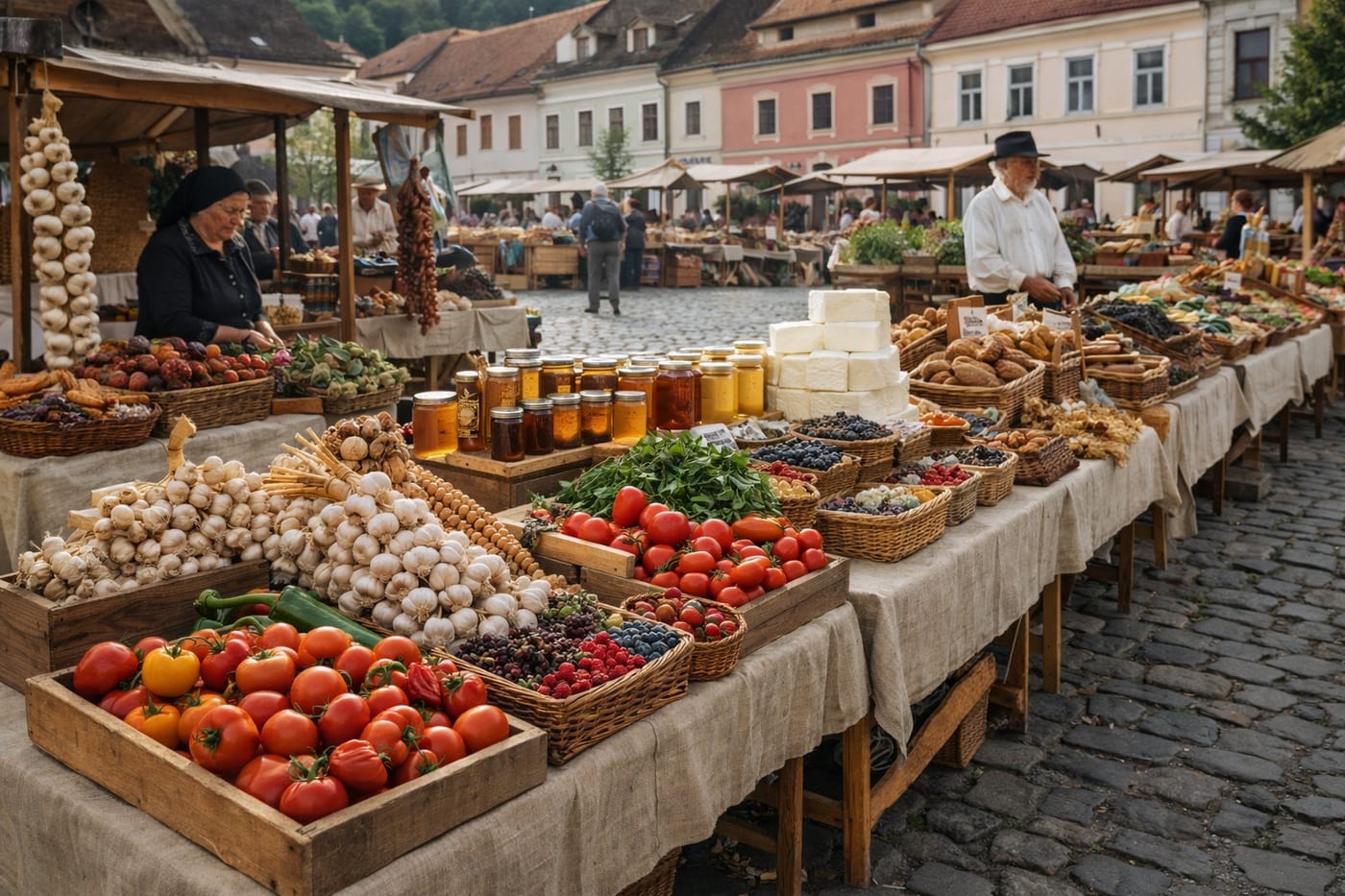
Food & Markets
Market culture, regional flavours, and quietly curated dining moments. For next steps, send a trip enquiry with the stays you have in mind.
In a nutshell
A food-led route through city and regional stops, combining market texture with calm, well-paced planning.
Best time to go
Year-round. Spring and autumn are excellent for walking tours and terrace culture.
Signature experiences
- Markets and street-food corners
- Wine bars and modern Romanian cuisine
- Neighbourhood walking tours
- A balanced city + countryside mix
Practicalities
We pair the city with an easy countryside escape so the trip feels calm - not just busy sightseeing.
Quiet detail, not rush
We build each day around one clear highlight and leave space around it, so the route stays graceful from arrival to departure.
Why go
Food and market experiences work best when they are integrated into the journey rather than over-programmed. We focus on quality moments with enough space to enjoy them.
For practical notes and what to try, read our Romanian food markets guide.
What you'll taste
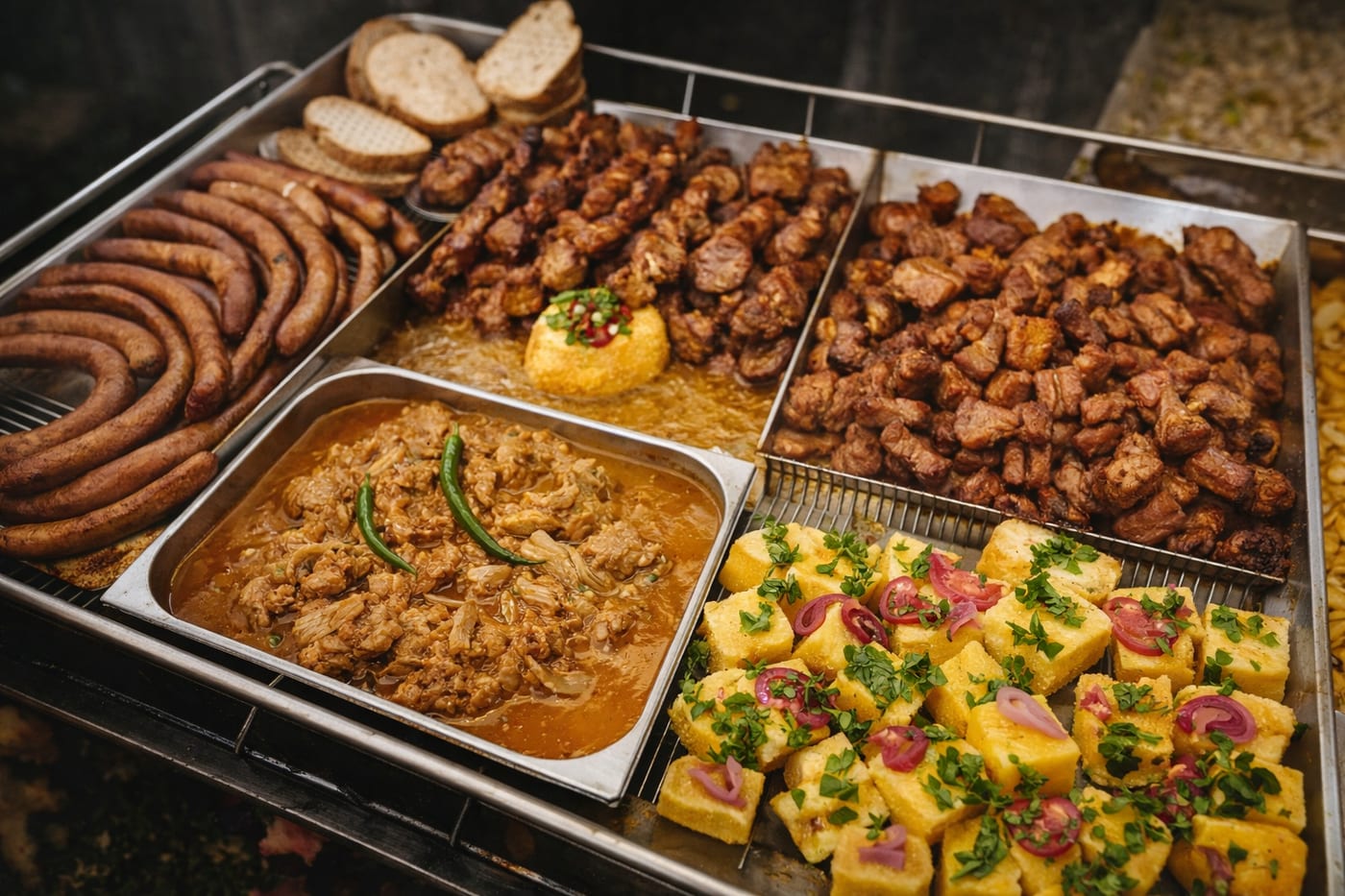
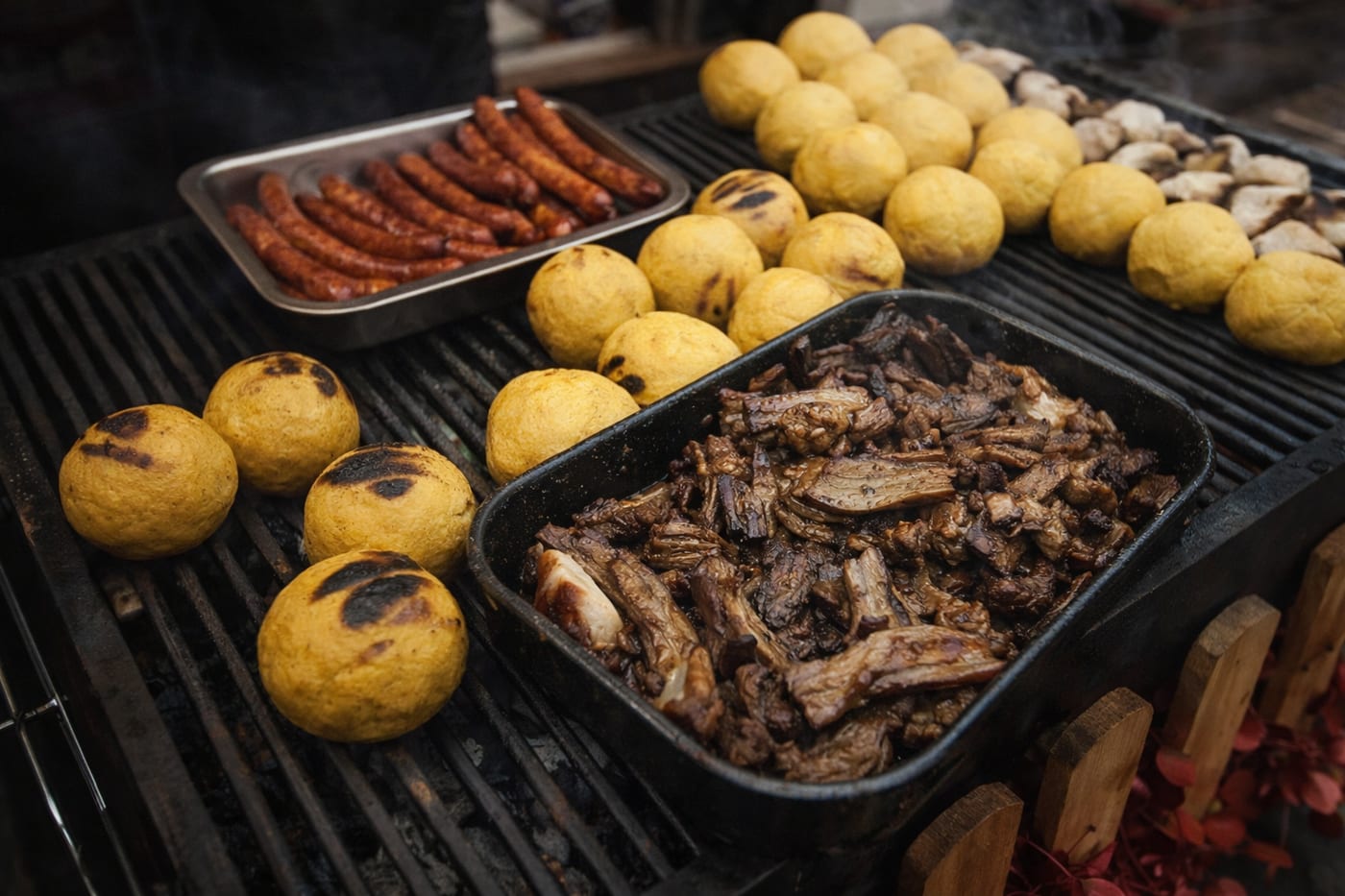
- Fresh cheeses and smoky grills
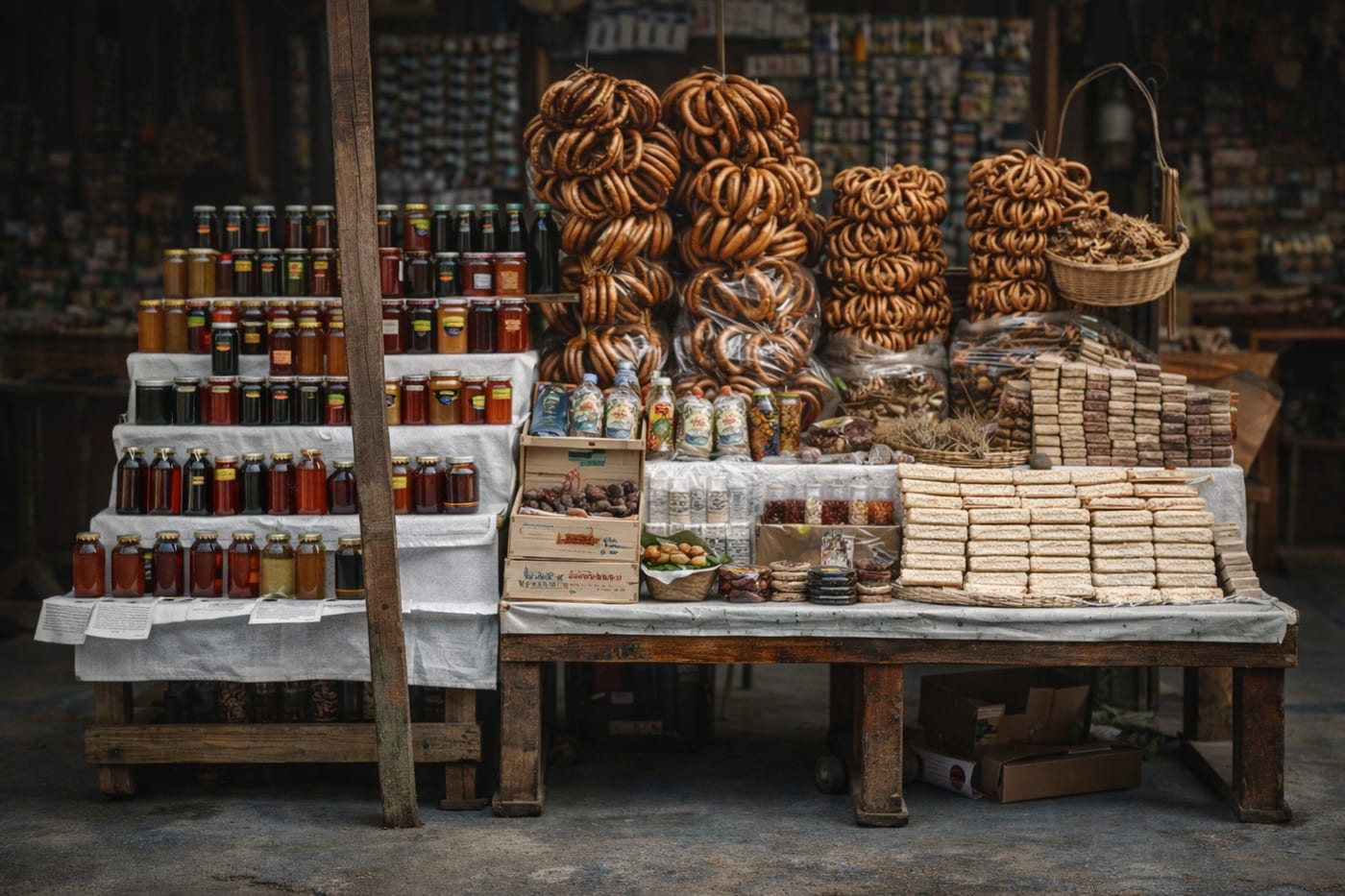
- Seasonal fruit, honey, and preserves
- Warm pastries and cafe culture
Best for
Travellers who love everyday food moments, families who like snack-friendly outings, and anyone curious about local life.
How we keep it calm
Short visits, good timing, and a clear plan for what to buy - no overwhelm.
Regional tables, region by region
Romanian food isn't one national cuisine - each region has its own distinctive dishes, ingredients, and preparation styles. Explore each region's own food section below.
Transylvania
A three-culture table — Saxon, Hungarian, and Romanian — from paprika stews to kürtőskalács chimney cake.
Muntenia
Wallachia's rustic table: slow-cooked tochitură, Easter's drob de miel, and Buzău's PGI-protected chilli sausage.
Banat & Crișana
A multicultural table of German, Hungarian, and Serbian influences, plus Arad's EU-protected smoked sausage.
Moldova
Moldavia's pastry identity — envelope-folded poale-n brâu — paired with the historic Cotnari wine country.
Maramureș
A smokehouse table of home-cured meats and layered polenta, with horincă, a fierce plum spirit unique to the region.
Oltenia
Romania's spiciest regional table: hot-pepper-heavy stuffed peppers, cured sausages, and carp soup.
Dobrogea & Black Sea Coast
A Black Sea and Ottoman-influenced table of smoked fish and Turkish-Tatar pastries, paired with Murfatlar wine.
Danube Delta
A Lipovean fishing-village food culture built on Danube fish, centred on villages like Mila 23.
A calm food-led route idea
A market-focused trip works well when paired with towns and countryside - the food stops become texture, not the whole day.
- Base 1: a historic town (walkable evenings, cafes, and a central market morning).
- Base 2: a village or countryside stay (produce, cheese, picnic viewpoints).
- Base 3 (optional): a second town for contrast and a relaxed final night.
We'll tailor the route to dietary needs and pacing - and recommend the best markets for your travel month.
Planning reassurance
Transfers, timings, and pacing are set around your comfort, with realistic days that still leave time to settle in and enjoy the setting.
Practical notes
- Timing: mornings are best. We avoid "market rush hour" where possible.
- Language: a few phrases help, but a smile goes further. We can arrange a guide if you want deeper context.
- Pairing: combine with historic towns or Transylvania.
How food fits into a premium itinerary
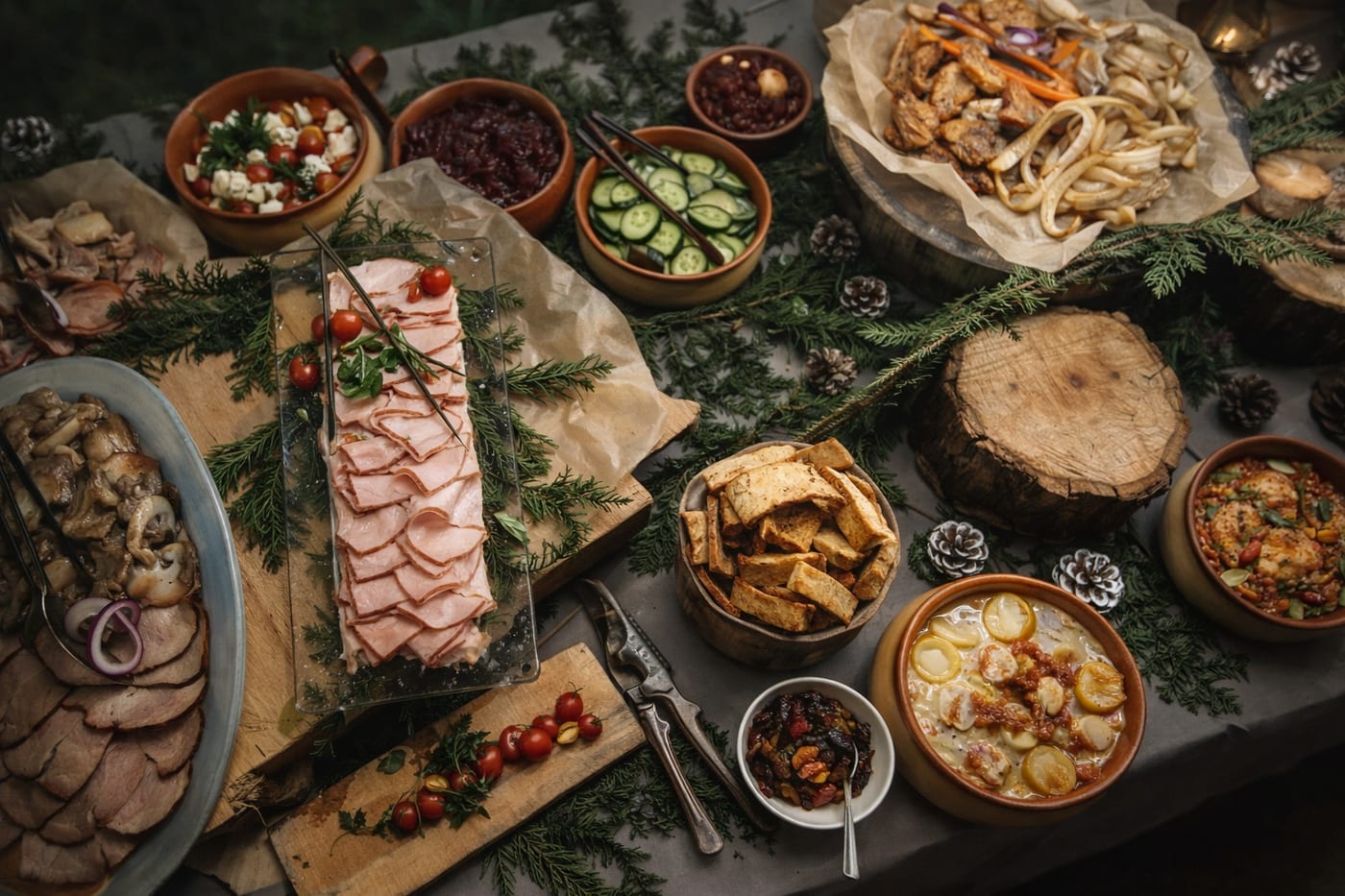
"Food travel" doesn't need to mean constant restaurants. We prefer small, high-quality moments that feel effortless: a market visit with a clear shopping plan, a picnic with local produce, a simple meal in a place that feels authentic. It keeps the trip grounded and avoids the feeling of being managed from one booking to the next.
Dietary needs
If you have allergies, vegetarian preferences, or children who are selective, tell us early. We'll steer you towards the right markets and restaurants, and we'll build in safe, easy meals on travel days.
Pairing
Food experiences pair best with walkable towns and gentle countryside - see our historic towns page for a classic structure.
What to try (without overthinking it)
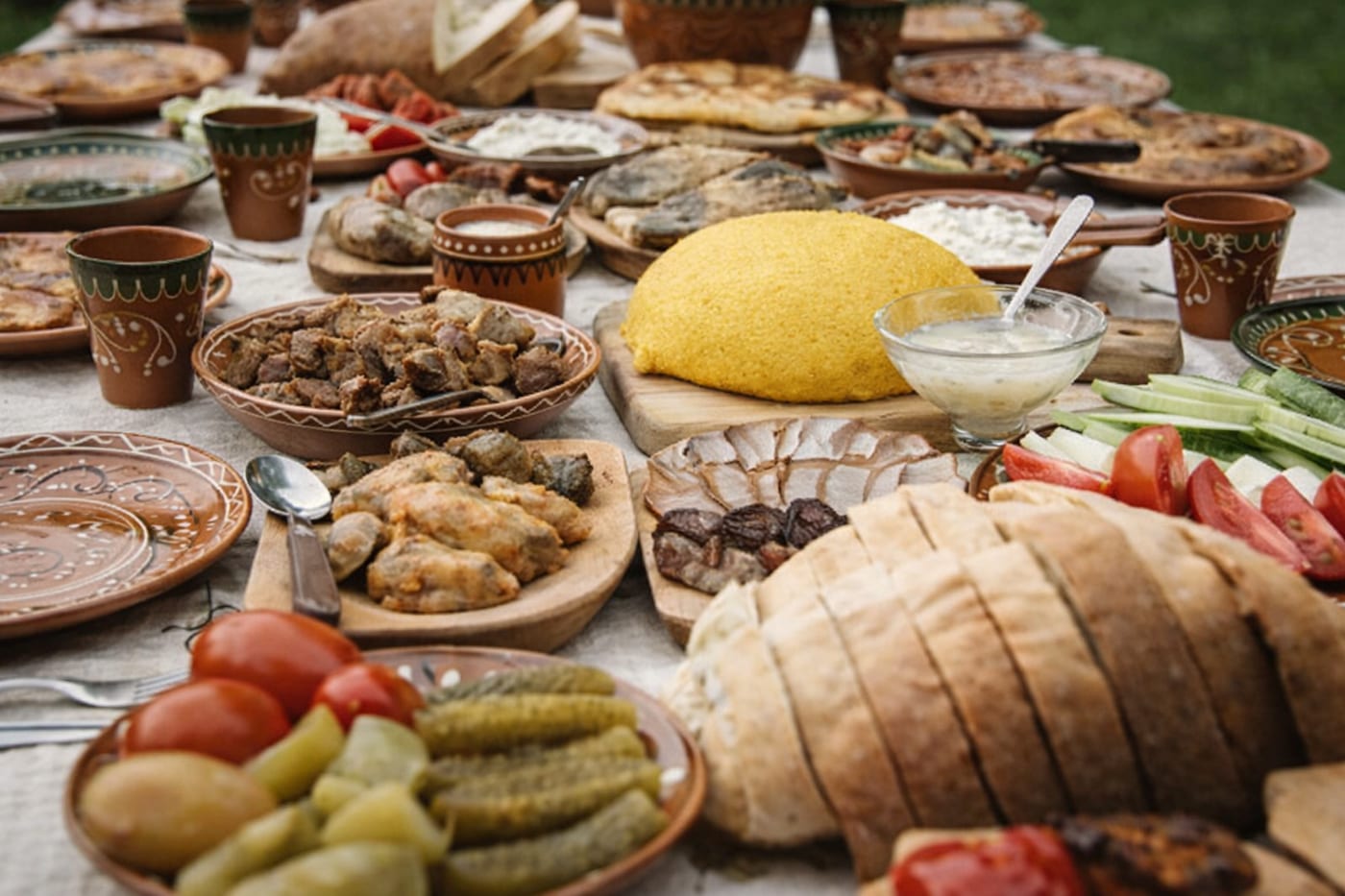
Romanian food is generous and unfussy. We'll give you a short "confidence list" for your route - a few dishes and market items that are reliably good ? and we'll steer you away from anything that tends to disappoint tourists.
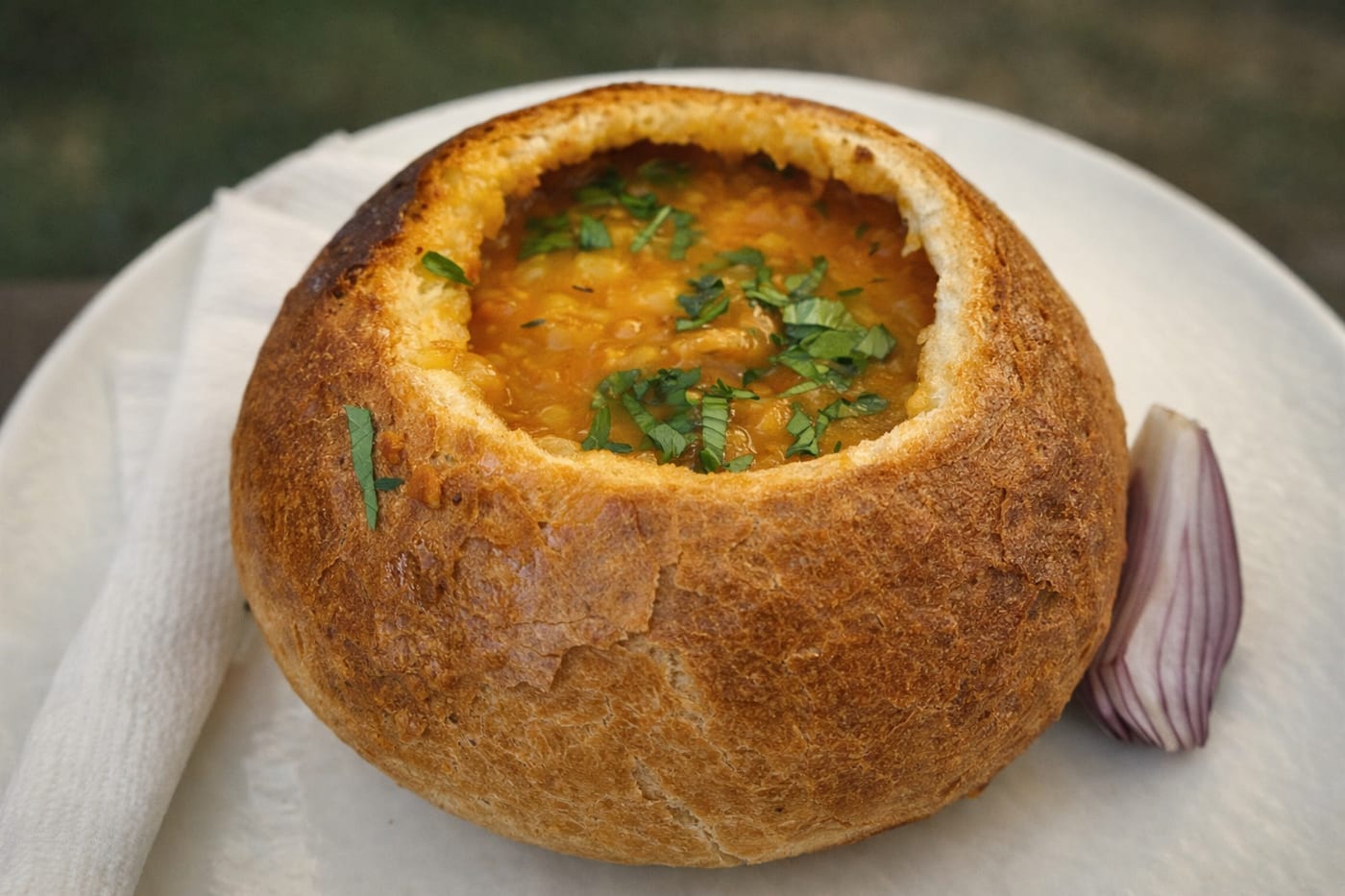
- Classic: mici (grilled), ciorba (sour soup), sarmale (stuffed cabbage).
- Sweet: cozonac, papanasi, fresh pastries and cafe cakes.
- Market buys: local cheese, fruit, honey, seasonal vegetables for picnic lunches.
- For families: simple grilled options, soups, breads - easy wins.
Want to make food a bigger theme? Tell us in the planning form and we'll add one or two high-quality food experiences - not a full schedule of tastings.
A note on pace
Food experiences work best when they're spaced out. We usually add one "anchor" experience (a market + cooking moment, a vineyard lunch, or a standout restaurant), then let the rest happen naturally through your route.
Tell us your must-try list and your "no thank you" list - we'll keep it personal and calm.
Common mistakes to avoid
Too many bookings can make a food trip feel managed. We recommend one or two highlights, then let the rest be flexible: markets, cafes, and simple meals that happen naturally.
We also steer travellers away from "tourist menus" in busy squares. A short walk to a local spot often makes a bigger difference than any fancy reservation.
A small but important tip
Carry a small tote and some cash. It makes market mornings effortless and avoids awkward moments when a stall doesn't take cards.
Plan with confidence
After your enquiry, we prepare a bespoke draft itinerary with the right pace, stays, and logistics for this region. You review every detail with Clara’s team before anything is confirmed.
No rushed decisions, no template plans - just calm, specialist guidance from a UK-based Romania team.
Related reading
Read Romanian Food Markets and Romania: Carpathian Garden for route inspiration.