

Banat & Crișana
Western Romania's Austro-Hungarian side: Timișoara's grand baroque squares, Oradea's Art Nouveau streets, and quieter Carpathian gorges and caves beyond the cities. For next steps, send a trip enquiry with the stays and pace you have in mind.
In a nutshell
Banat & Crișana covers western Romania's Timiș, Caraș-Severin, Arad, and Bihor counties: a region shaped by centuries under the Habsburg and Austro-Hungarian empires, with grand city squares, thermal spas, and the Apuseni Mountains' caves and gorges beyond them.
Best time to go
April-October for the cities and hiking; thermal spas and the show caves work well year-round.
Signature experiences
- Timișoara & Oradea old towns
- Thermal spas & lily lake
- Apuseni caves & karst
- Banat mountain gorges
Practicalities
Timișoara and Oradea both have their own airports. We usually base in one or both cities, with day trips into the mountains.
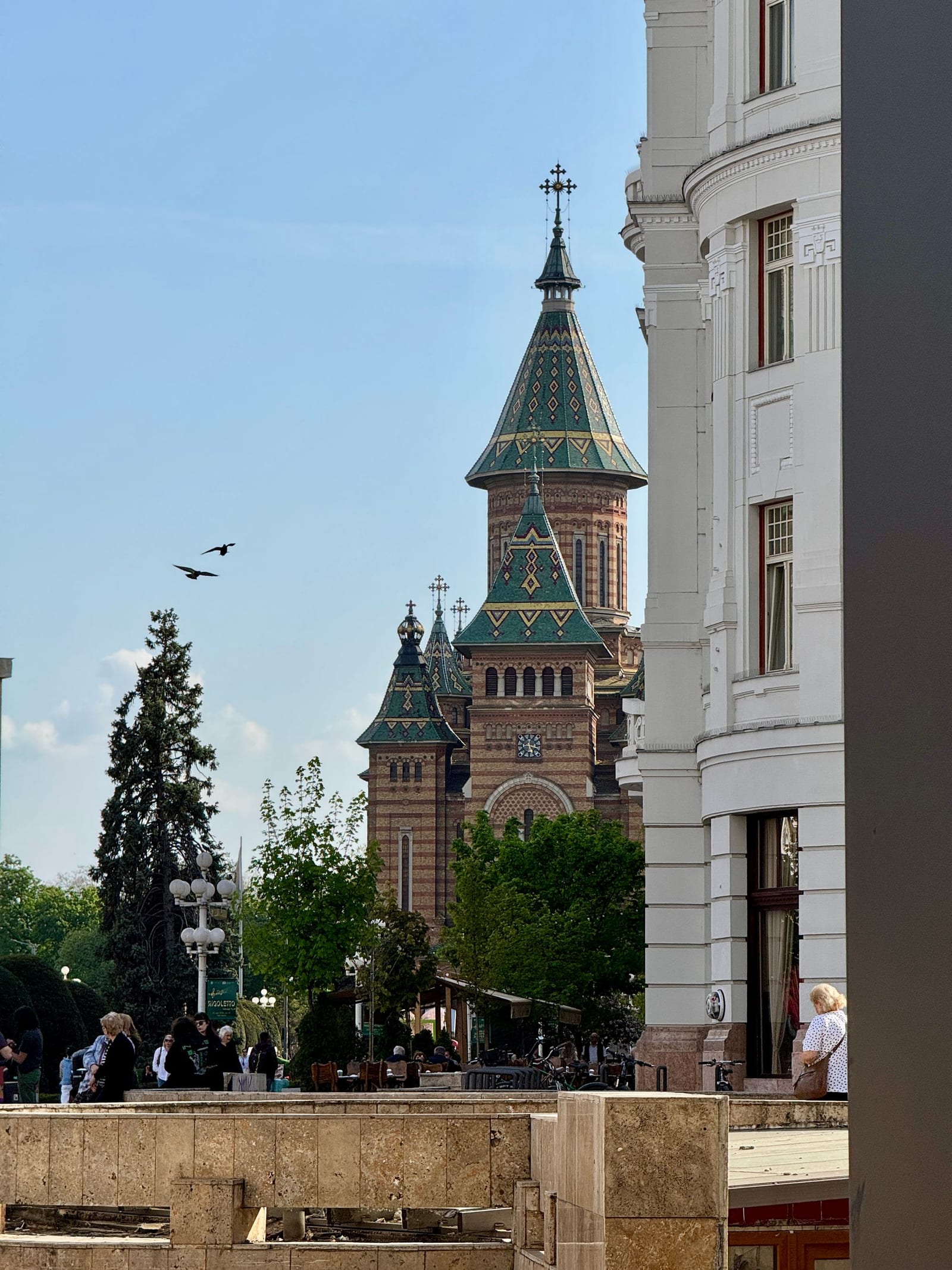
Two cities, two characters
Timișoara's grand, formal squares and Oradea's dense Art Nouveau streets give this region a distinctly Central European feel, closer in spirit to Vienna or Budapest than to Bucharest.
Why go
This is Romania's most visibly Central European corner: grand baroque squares, Secession-era facades, and a slower, more formal civic elegance shaped by centuries of Habsburg rule. Beyond the cities, the Apuseni and Banat mountains offer caves, gorges, and thermal springs with far fewer visitors than the Carpathians further east.
What you'll experience
Grand city squares
Timișoara's baroque cathedrals and Oradea's Art Nouveau facades, both genuinely distinct from the rest of Romania.
Thermal spas & caves
Warm mineral lakes near Oradea, Roman-era Băile Herculane, and major show caves in the Apuseni foothills.
Quiet mountain gorges
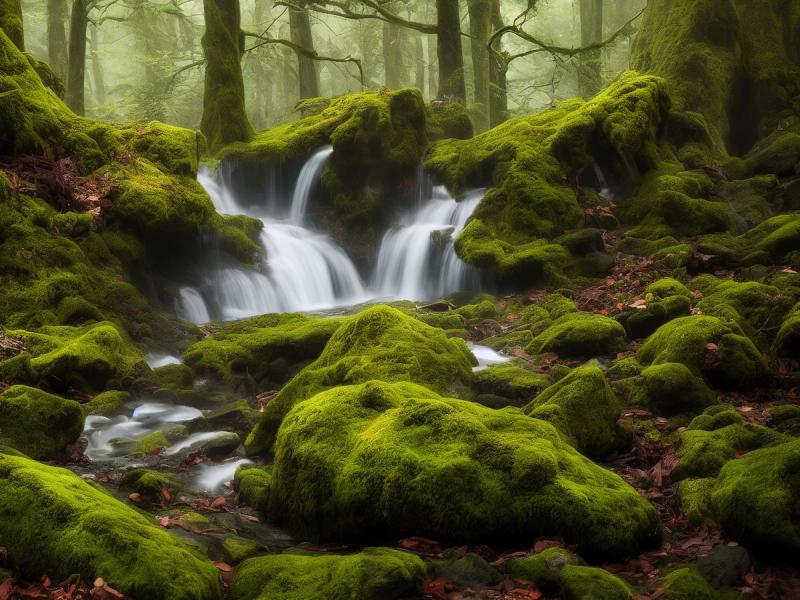
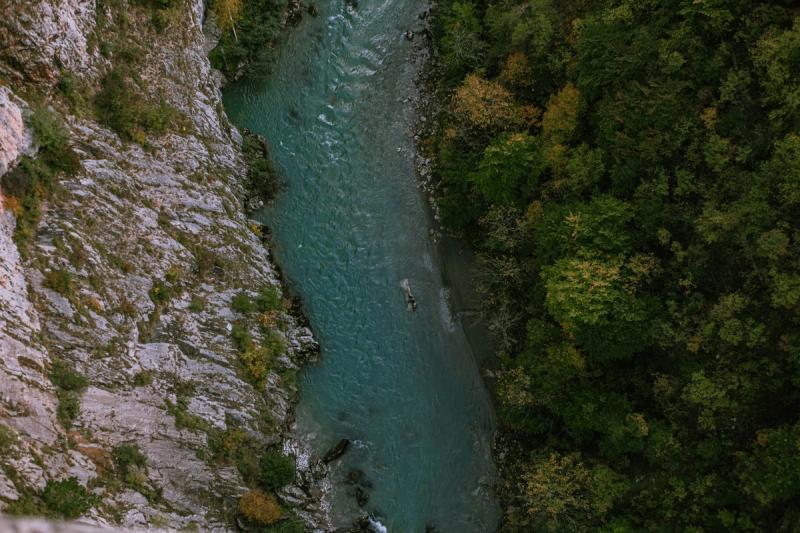
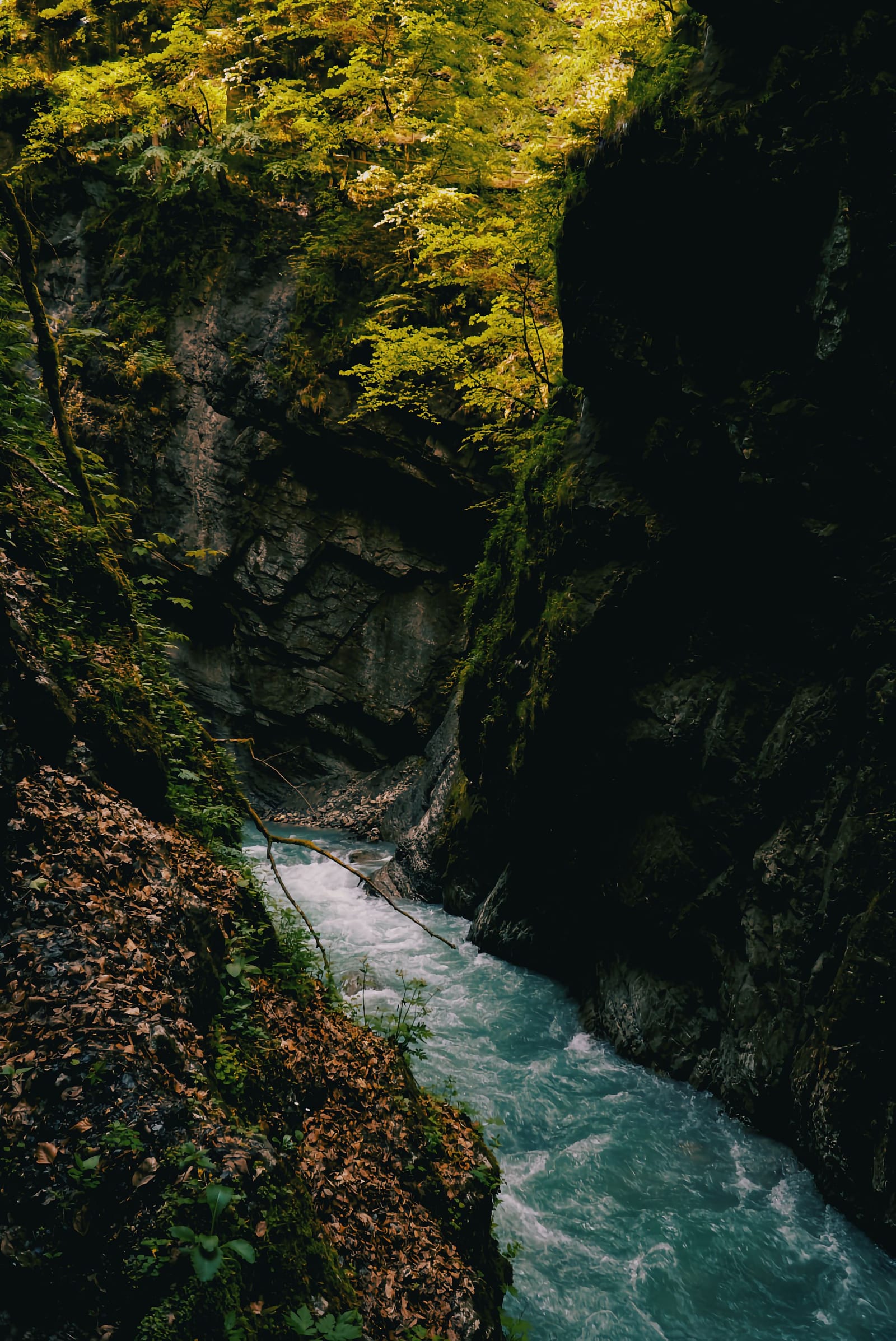
Bigăr Waterfall, the Nera Gorges, and Beușnița's turquoise lake in the Banat mountains, well off the main tourist routes.
The Carpathians in Banat & Crișana
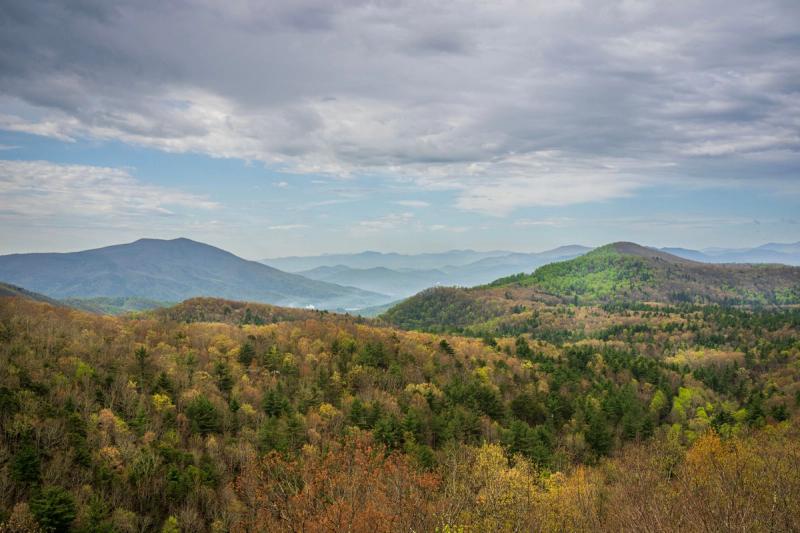
The Banat Mountains here are themselves part of the Western Carpathians, even though they feel like a world apart from the ranges further east: limestone gorges, a striking waterfall, and, inside Semenic-Cheile Carașului National Park, Izvoarele Nerei, Romania's largest virgin forest and part of the transboundary UNESCO World Heritage Site for the Ancient and Primeval Beech Forests of the Carpathians. Romania as a whole holds roughly two-thirds of Europe's remaining virgin and old-growth forest, the largest share within the EU.
Food & Cuisine in Banat & Crișana
A genuinely multicultural table — German, Hungarian, and Serbian influences sit alongside Arad county's own EU-protected smoked sausage. See the cross-region Food & Markets guide for how this fits a wider culinary route.
A calm 5-7 day plan
This region works well as either a two-city trip or a city-plus-nature route, depending on how much driving time you want.
- Days 1-2: Timișoara - the three linked squares, cafe culture, and an easy walking pace.
- Days 3-4: Caraș-Severin nature loop - Băile Herculane, Bigăr Waterfall, and Cheile Nerei-Beușnița National Park, based from Timișoara or Reșița.
- Days 5-7: Oradea & the Apuseni foothills - Art Nouveau streets, the Bear Cave at Chișcău, and, for hikers, the Padiș Plateau.
On a shorter trip, we help you choose between the city-focused route and the nature-focused route rather than trying to fit both in fully.
Realistic mountain pacing
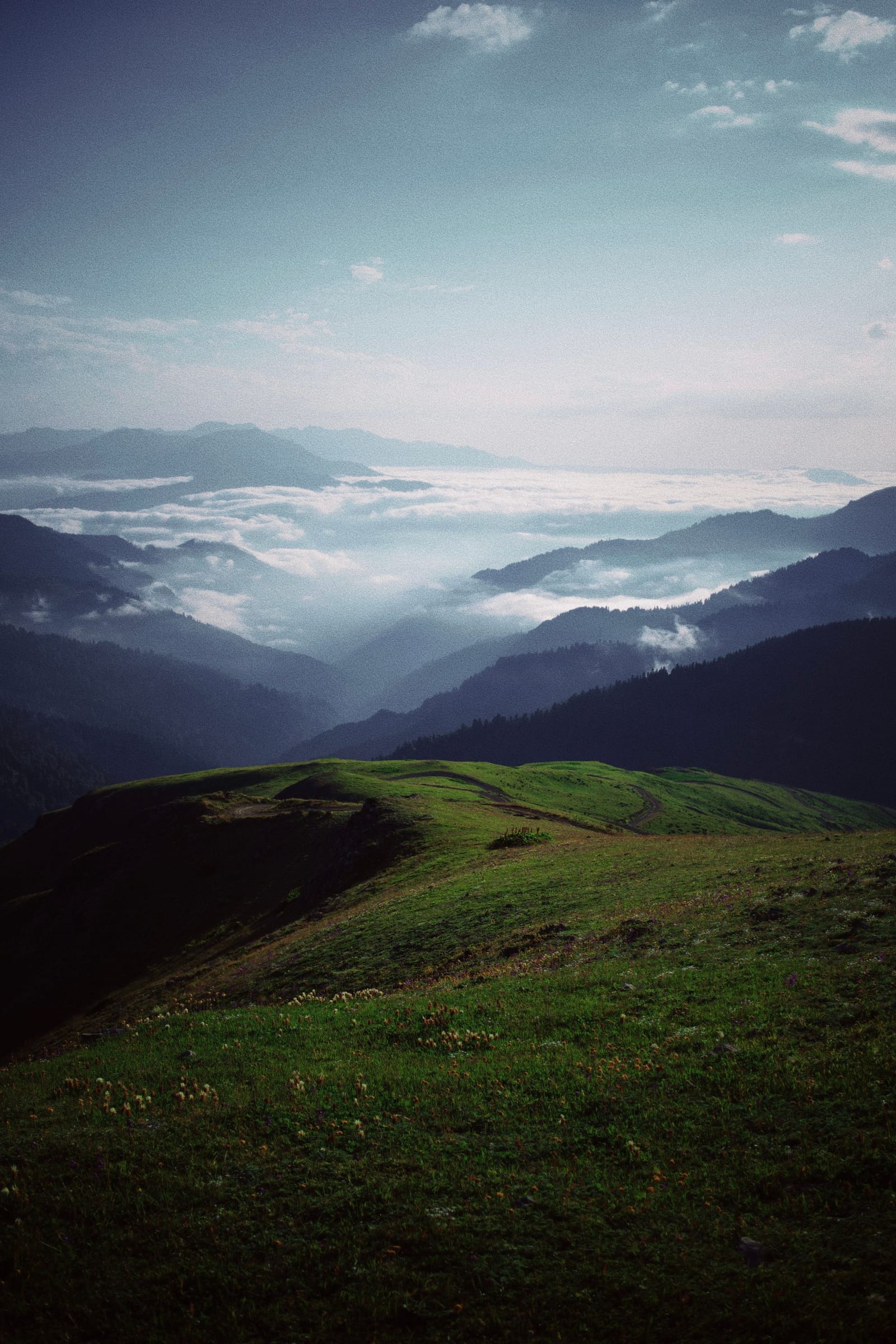
Roads through the Banat and Apuseni mountains are scenic but slow, so we plan realistic driving windows rather than stacking too many stops into one day.
Practical notes
- Season: April-October is easiest for the cities and hiking; caves and thermal spas work year-round.
- Roads: mountain roads in Caraș-Severin and the Apuseni foothills are scenic but slow going.
- Gateways: Timișoara and Oradea both have international airports, making either city a practical arrival point.
- Caves: show caves like the Bear Cave run on timed guided tours; we check current schedules before including one in your route.
- Pairing: combine with Transylvania for a longer route through central and western Romania.
Choosing your base
Timișoara and Oradea anchor this region, and where you base yourself shapes the rest of the route.
Timișoara vs Oradea
Timișoara is larger and more formal, with grander squares and a livelier cafe scene - a good fit for travellers who want a proper city break. Oradea is smaller and more architecturally distinct, with its Art Nouveau streets close to the Apuseni Mountains and their caves. If your trip includes both the caves and the gorges, Oradea is the more convenient base for the Bihor side and Timișoara for the Caraș-Severin side.
Adding the mountains
The nature sites here reward travellers who don't mind a full day of scenic driving. We build in realistic timings rather than treating Bigăr, Beușnița, or Padiș as quick roadside stops.
Frequently asked planning questions
Should we split time between Timișoara and Oradea?
If time allows, yes - they have distinct characters. On a shorter trip, we help you choose one and build the route around it.
Is this region worth it without the caves and mountains?
Timișoara and Oradea alone make a strong city-focused stop. Add the Apuseni caves and Banat gorges only if you have the extra days and enjoy nature stops between city time.
How remote are the Caraș-Severin nature sites?
Genuinely rural. Roads through the Banat mountains are scenic but slow, so we build realistic driving time between Bigăr, Beușnița, and Băile Herculane rather than treating them as quick stops.
Plan with confidence
After your enquiry, we prepare a bespoke draft itinerary with the right pace, stays, and logistics for this region. You review every detail with Clara’s team before anything is confirmed.
No rushed decisions, no template plans - just calm, specialist guidance from a UK-based Romania team.
Related reading
Compare best time to visit Romania, how many days in Romania, and driver vs self-drive, or start with Romania: Carpathian Garden for the big-picture route. See sample Romania itineraries for route inspiration, or pair Banat & Crișana with Transylvania.